The digital asset landscape is constantly evolving, and one of the most significant developments in recent years has been the convergence of stablecoins and decentralized finance (DeFi). Among these innovations, the usdc mining program blockchain has emerged as a popular mechanism for users to generate passive income while maintaining exposure to a stable asset. This concept, while often misunderstood, plays a critical role in how liquidity is provided and rewards are distributed across various decentralized networks.
Understanding the Basics of USDC Mining
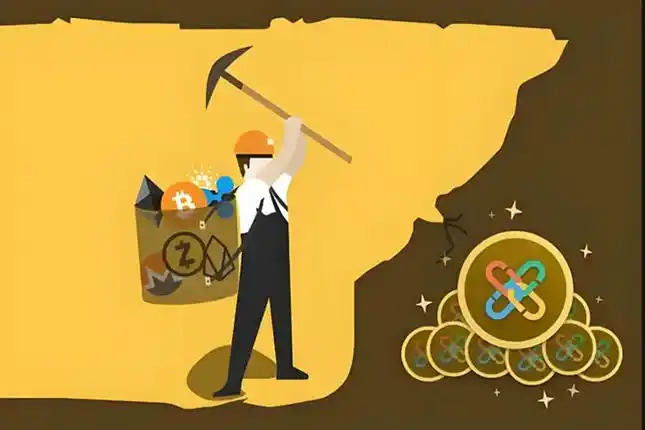
At its core, a usdc mining program blockchain refers to a structured process where users lock their USDC (USD Coin) into a smart contract to facilitate network operations. Unlike traditional proof-of-work mining for Bitcoin, which requires specialized hardware, this method leverages the proof-of-stake or liquidity mining principles. Participants deposit their USDC into protocols like Curve, Aave, or custom yield aggregators to earn rewards, effectively turning their stablecoins into a productive asset. The primary appeal of this approach is the reduction of volatility risk, as the value of USDC remains pegged to the US dollar.
How Liquidity Mining and Staking Fuel the Model
The mechanics of a typical usdc mining program blockchain rely heavily on liquidity pools and staking contracts. When you deposit USDC into a pool, you are essentially providing liquidity for traders and borrowers. In return, you receive LP (Liquidity Provider) tokens, which represent your share of the pool. These tokens can then be staked in a “farm” to earn additional native tokens from the platform. This dual-layer yield structure is what makes these programs so attractive. For newcomers, understanding that you are not “mining” USDC itself, but rather using it to earn fees and governance tokens, is the first step towards grasping the broader blockchain ecosystem.
Key Benefits of Participating in USDC Mining
There are several compelling reasons why investors choose a usdc mining program blockchain over traditional savings accounts. Firstly, the Annual Percentage Yields (APY) offered by these protocols often significantly exceed those from conventional banks. Secondly, because the base asset is a stablecoin, your principal is shielded from the dramatic price swings common to assets like Ethereum or Solana. Thirdly, many programs offer compounding rewards or “ve” (vote-escrowed) tokens that grant governance rights, allowing participants to influence the future direction of the protocol. This combination of high yield, capital preservation, and community participation has driven massive adoption across networks like Ethereum, Polygon, and Avalanche.
Risks and Considerations for Investors
Despite its benefits, engaging with a usdc mining program blockchain is not without risk. Smart contract vulnerabilities are a primary concern; a bug in the code can lead to a total loss of deposited funds. Additionally, “impermanent loss” can occur in volatile liquidity pools, though this is less severe with stablecoins than with paired volatile assets. Protocol risk is another factor—if the underlying blockchain or DeFi platform faces a governance attack or bankruptcy, your USDC could be frozen. Users must also consider gas fees on networks like Ethereum, which can erode profits for smaller deposits. Always verify the audit history and team behind any mining program before committing capital.
Popular Platforms and Protocols in the Space
To get started with a usdc mining program blockchain, you need to choose a reliable platform. Curve Finance is widely regarded as the largest stablecoin exchange, offering deep liquidity and low slippage. Convex Finance builds on top of Curve, boosting yields for USDC depositors. Yearn Finance offers automated vault strategies that move funds between different protocols to maximize returns. For users on the Solana network, Saber and Raydium provide similar opportunities. Each platform has different fee structures, lock-up periods, and reward tokens, so research is essential. By diversifying across multiple protocols, you can mitigate specific platform risks while optimizing your overall yield.
Future Trends in Stablecoin Mining
The landscape of the usdc mining program blockchain is maturing rapidly. We are seeing a shift towards “real-world asset” (RWA) backing, where USDC is used to fund legitimate business loans. This moves the industry away from purely speculative token rewards towards sustainable, fee-based income. Furthermore, regulations are becoming clearer, which should attract institutional capital. The rise of Layer 2 solutions like Arbitrum and Optimism has also drastically reduced transaction costs, making the model accessible to retail investors. As blockchains become more efficient and interconnected, USDC mining programs are likely to become a standard financial tool, blending the stability of fiat with the transparency of blockchain technology.
In conclusion, the usdc mining program blockchain represents a paradigm shift in how individuals can generate returns on their cash holdings. By understanding the mechanics, risks, and available platforms, you can make informed decisions that align with your financial goals. As with any investment in the crypto space, start small, prioritize security, and stay updated on protocol developments. The future of passive income is built on the intersection of stable fiat value and unstoppable blockchain code.
Related Posts